
The use and subsequent abuse of substances—both legal and illicit—continues to be a significant public health concern in the United States. According to the
Defining the Addiction Treatment Gap report released by the Substance Abuse and Mental Health Services Administration in 2012, it is estimated that 23.5 million Americans are addicted to alcohol and drugs. That number equates to 1 in every 10 Americans over the age of 12—roughly equal to the entire population of Texas. However, only 1 out of every 10 people with substance abuse and addiction problems receive treatment.
According to the
2012 National Survey on Drug Use and Health, the rate of substance abuse in males aged 12 and older in the U.S. was twice that of females between 2002 and 2012. Interestingly, substance abuse rates between males and females aged 12-17 were equal. Overall, 17.7 million people in the U.S. had alcohol dependence or abuse, and 7.3 million had illicit drug dependence or abuse.
Substance abuse costs the United States an estimated
$510 billion annually, which includes specialty treatment and
intervention services for both drug and alcohol abuse, as well as medical consequences, injuries, legal costs and lost productivity due to death and illness. In an article featured in
Reuters last year, one factor influencing the stagnation of the
U.S. economy was the rising financial burden of drug and alcohol abuse. Additionally, in 2009 (which was the last complete year statistics in this category were recorded), unemployed workers were twice as likely to report drug use, and one in twelve workers over the age of 18 reported drug use within the last month. Untreated addiction not only affects the person afflicted, but also our nation as a whole.


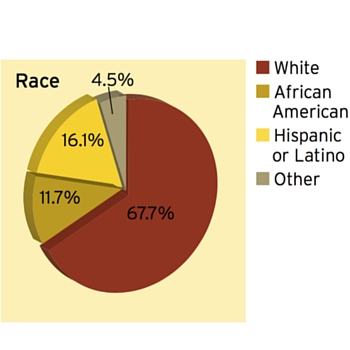
While substance abuse and addiction have significant impacts throughout the whole of American society, there are certain demographic groups in which the effects of drug and
alcohol abuse are more pronounced. For example, there has been a sharp increase in the number of
drug overdose deaths among women in the United States from prescription painkillers. Between 1999 and 2010, the rate of fatal overdoses
quadrupled. Additionally, the
Centers for Disease Control (CDC) reports that 42
women die every single day from prescription drug overdoses alone.
Another demographic group in which drug and alcohol abuse is more evident is U.S.
teenagers and young adults. According to the
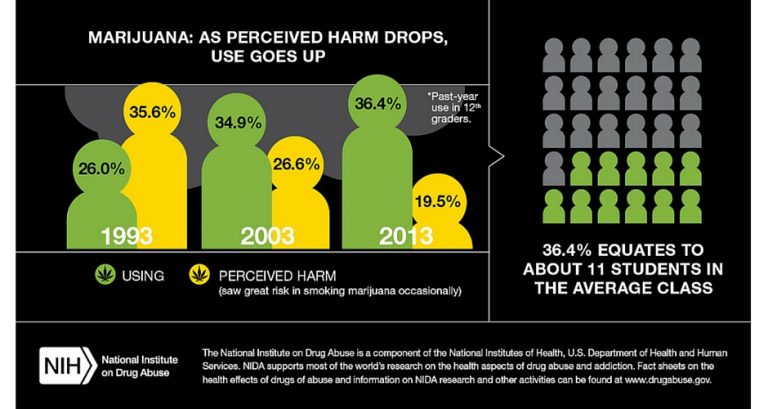
2013 Monitoring the Future survey, conducted by National Institute on Drug Abuse (NIDA), the use of
marijuana among teenagers has increased significantly over the last two decades. In 2013, 36.4% of 12th graders reported marijuana use in the last year. That percentage is equal to approximately 11 students in an average class.
There have also been alarming rates in drug and alcohol abuse among the
disabled. Within this group, substance abuse rates are 2 to 4 times that of the general population. Substance abuse rates also approach or exceed 50% for those with traumatic brain injuries, spinal cord injuries, and mental health issues.
A final demographic group to consider is the elderly. In a report published by the
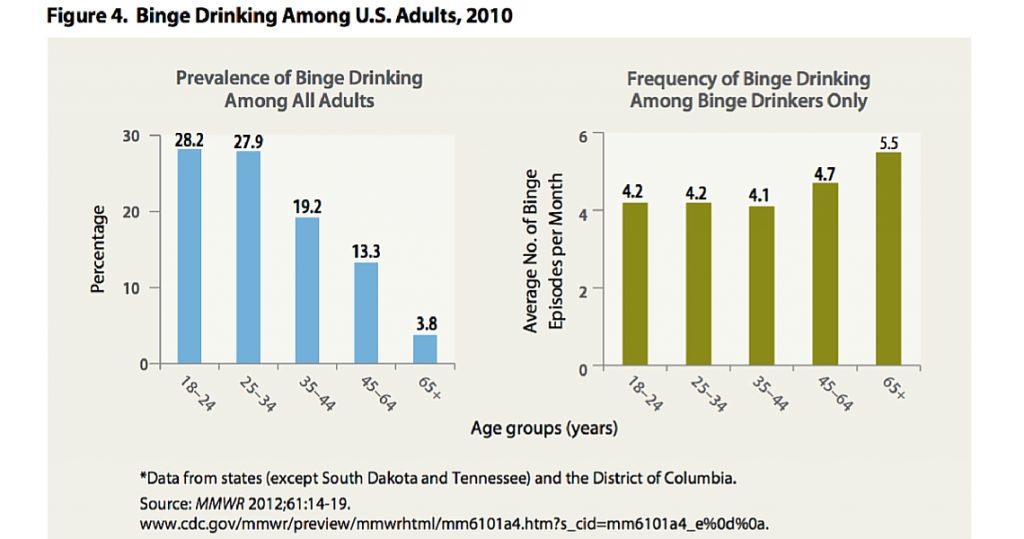
Center of Disease Control last year, excessive alcohol use and
binge drinking accounted for more than 21,000 deaths among adults 65 years or older. Older adults who engaged in binge drinking did so with more frequency as compared to younger age groups. On average, older binge drinkers consumed an average of about six drinks per binge episode, increasing the risk of a myriad of
health and social problems.
Despite the evidence of persistent, chronic drug and alcohol abuse seen across these U.S. demographic groups, we are lacking in
substance abuse treatment options. In 2011, 20.6 million people aged 12 years and older were classified as having substance dependence or abuse issues. However, 19.3 million people aged 12 years or older who
needed substance abuse treatment were not able to receive assistance. Additionally, 1 out of every 4 people with a mental disorder or substance abuse disorder lacks health insurance. For those with
both mental and substance abuse disorders, that figure nears 30 percent.
Drug and
alcohol abuse issues continue to compound and grow in the United States. A more comprehensive and proactive approach regarding the recognition of substance abuse issues needs to come to the forefront. This increased focus can include the following goals:
This guide explores these ideas, working to increase both awareness and knowledge. It is through an
awareness of substance abuse issues, as well as the examination of credible and empirical data, that a meaningful dialogue can occur between people in the public health sector, people who work in the substance abuse field, along with the struggling addict and their families. The problem of drug and alcohol abuse in the United States will not change unless there is active exploration and
engagement in those issues.
NEXT CHAPTER